




Overview
Total populationMoM214175,545people
HouseholdsMoM16076,151households
Average ageMoMNo change40.2yrs
Sex ratioMale90,793peopleFemale84,752people51.7%48.3%
Area insights
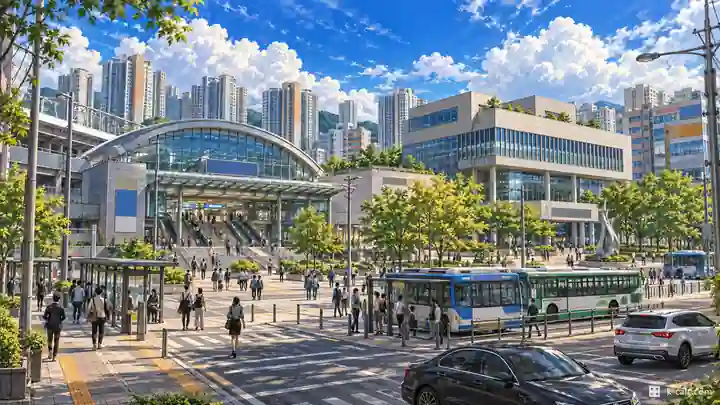
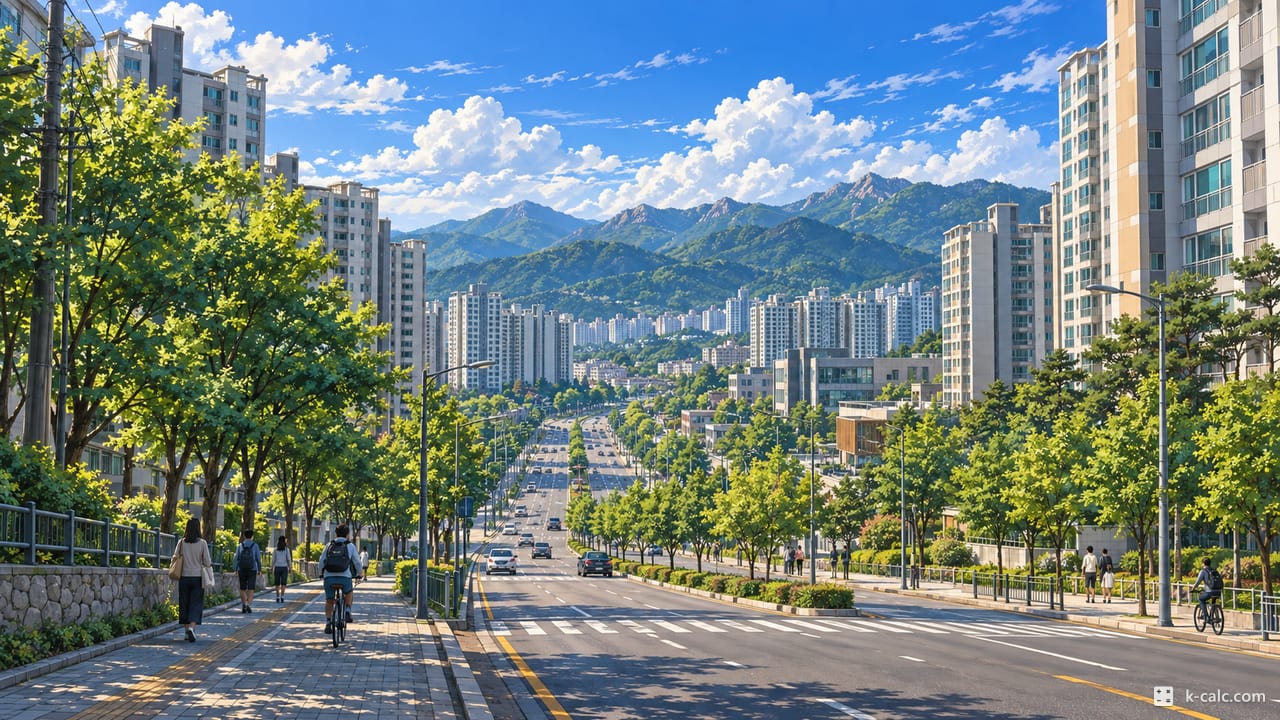
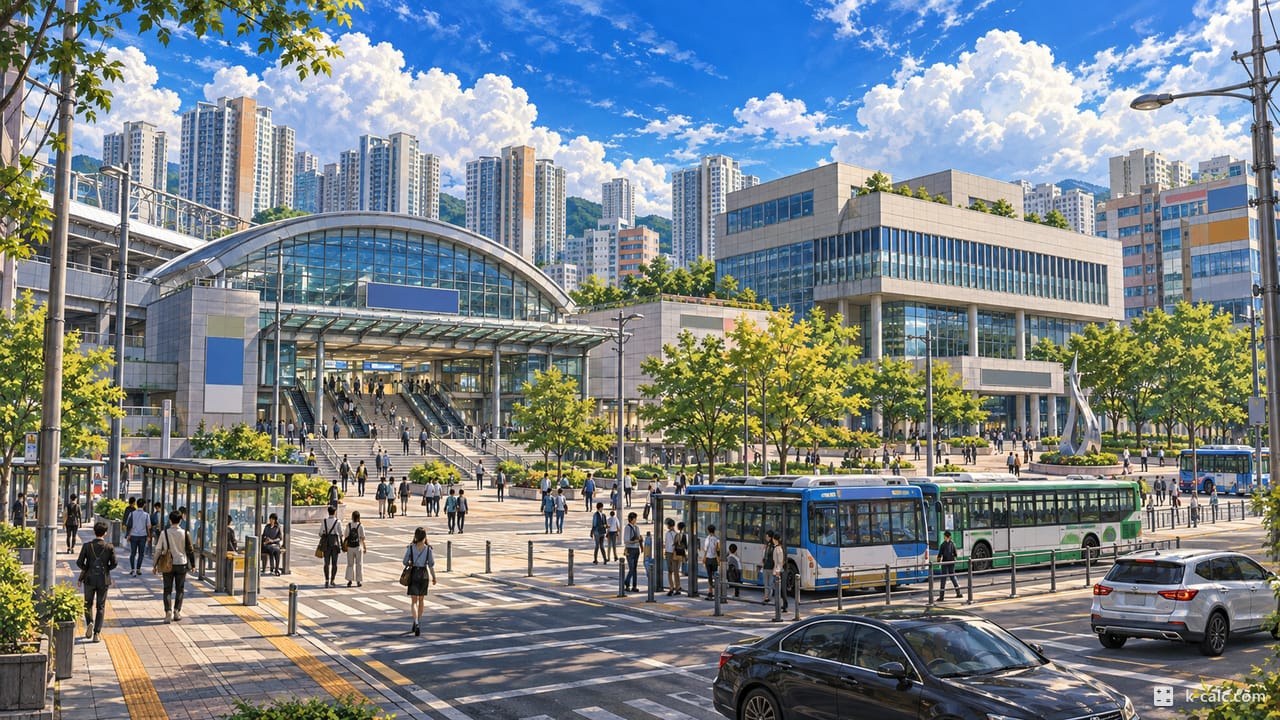
As of October 2026Byeongjeom Station residential hub, the 4th-youngest district in Korea
The average age is 40.2, the 3rd youngest among Korea's 254 cities, counties and districts.
Children under 10 make up 8 in 100 residents (8.1%), the 7th highest share among Korea's 254 cities, counties and districts.
People aged 20 to 59 make up 6 in 10 residents (62.9%), the 5th highest share among Korea's 254 cities, counties and districts.
People in their 20s and 30s make up 3 in 10 residents (29.4%), the highest share among the 4 districts of Hwaseong-si.
Areas with a similar population mix
Statistics
Population structure
As of October 2026Unit: people
Male 90,793Female 84,752
Age structure
Unit: %
Youth 13.3%Working age 73.6%Seniors 13.1%
40s is the largest group, at 30,849 people.
Population ranking
Population by region
As of October 2026- YoungestBanjeong-dong32.1 yrs
- OldestHwanggye-dong60.3 yrs
| Region | Share | ||
|---|---|---|---|
| Byeongjeom-dong | 58,571 | 33.4% | 40.8 yrs |
| Banwol-dong | 37,180 | 21.2% | 37.6 yrs |
| Jinan-dong | 19,981 | 11.4% | 42.7 yrs |
| Annyeong-dong | 19,062 | 10.9% | 43.2 yrs |
| Gisan-dong | 14,424 | 8.2% | 39.3 yrs |
| Songsan-dong | 9,848 | 5.6% | 44 yrs |
| Neung-dong | 8,427 | 4.8% | 39 yrs |
| Banjeong-dong | 7,558 | 4.3% | 32.1 yrs |
| Hwanggye-dong | 494 | 0.3% | 60.3 yrs |
The top three areas hold 65.9% of the population of Byeongjeom-gu, Hwaseong-si.
Frequently asked questions❓
Byeongjeom-gu, Hwaseong-si has 175,545 residents as of October 2026.
Byeongjeom-dong, home to 58,571 residents (33.4% of Byeongjeom-gu, Hwaseong-si).
It is 40.2 as of October 2026., 5.6 years below the national average of 45.8. Among its neighborhoods, Banjeong-dong is youngest at 32.1 and Hwanggye-dong oldest at 60.3.
This is resident registration data from Korea's Ministry of the Interior and Safety. Figures are as of the end of October 2026 and are updated monthly. The data is open under KOGL Type 1.
Resident registration counts people at their registered address. The census counts them where they actually live. The gap is widest in university towns and industrial areas, where many people never change their registered address.
Sources 🌐
- Resident registration data, Ministry of the Interior and SafetyKOGL Type 1 · as of October 2026 · updated monthly